Better stance, smoother motion, and less fatigue for cleaner planing results
Japanese hand planes reward controlled movement. While sharp blades and proper setup matter, many planing problems begin with the body rather than the tool. If your stance is unstable or your motion is rushed, it becomes harder to keep the plane tracking cleanly, maintain consistent pressure, and avoid chatter or uneven passes.
A stable base helps your hands do less work. When your feet are positioned to support a smooth forward motion, the plane can glide through the cut with less effort. Good alignment also reduces wrist strain and shoulder tension, which is important during longer sessions when fatigue can lead to small errors that show up on the workpiece.
Many woodworkers find that planing becomes more consistent when they focus on balanced posture, a relaxed grip, and a repeatable movement pattern. This allows you to apply pressure evenly through the stroke and maintain control across the full length of the board.
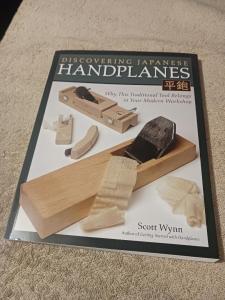
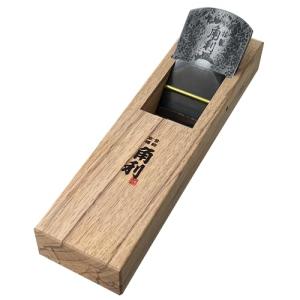
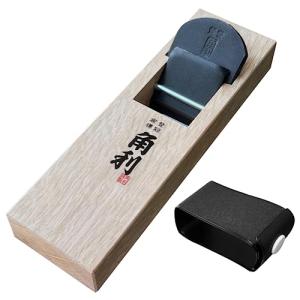
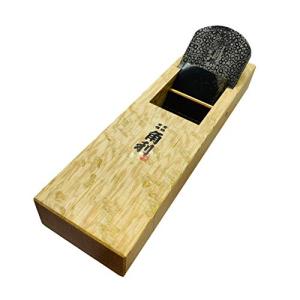
If you are exploring Japanese hand planes or upgrading your setup, this category is a good place to browse tools suited for different tasks and experience levels: Japanese Hand Planes