How posture, balance, and hand control lead to cleaner cuts and better results
Japanese chisels are designed for precision, but achieving clean, accurate cuts depends on more than sharp steel alone. Body position, balance, and controlled movement all play a role in how effectively force is transferred through the chisel and into the workpiece. When movement is rushed or unstable, accuracy often suffers.
A stable stance allows you to guide the chisel with greater confidence. Whether paring or chopping, keeping your weight balanced and your shoulders relaxed helps maintain control and reduces the tendency to overcorrect mid-cut. This is especially important when working to layout lines or fine joinery.
Many woodworkers find that slowing down and focusing on smooth, deliberate motion improves consistency. Controlled movement helps keep the chisel square, reduces tear-out, and makes it easier to stop exactly where intended. Over time, this approach also reduces hand and wrist fatigue.
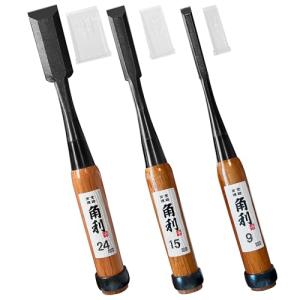
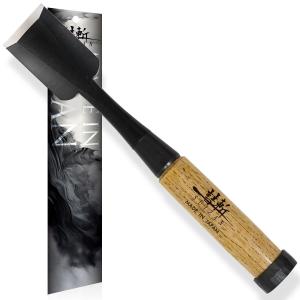
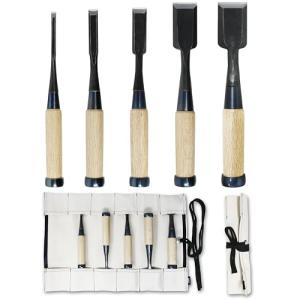
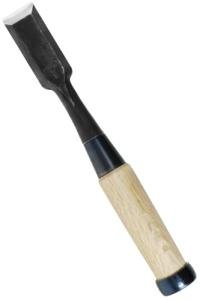
If you are selecting tools for joinery or detail work, this category highlights chisels suited for a wide range of tasks and experience levels: Japanese Chisels